

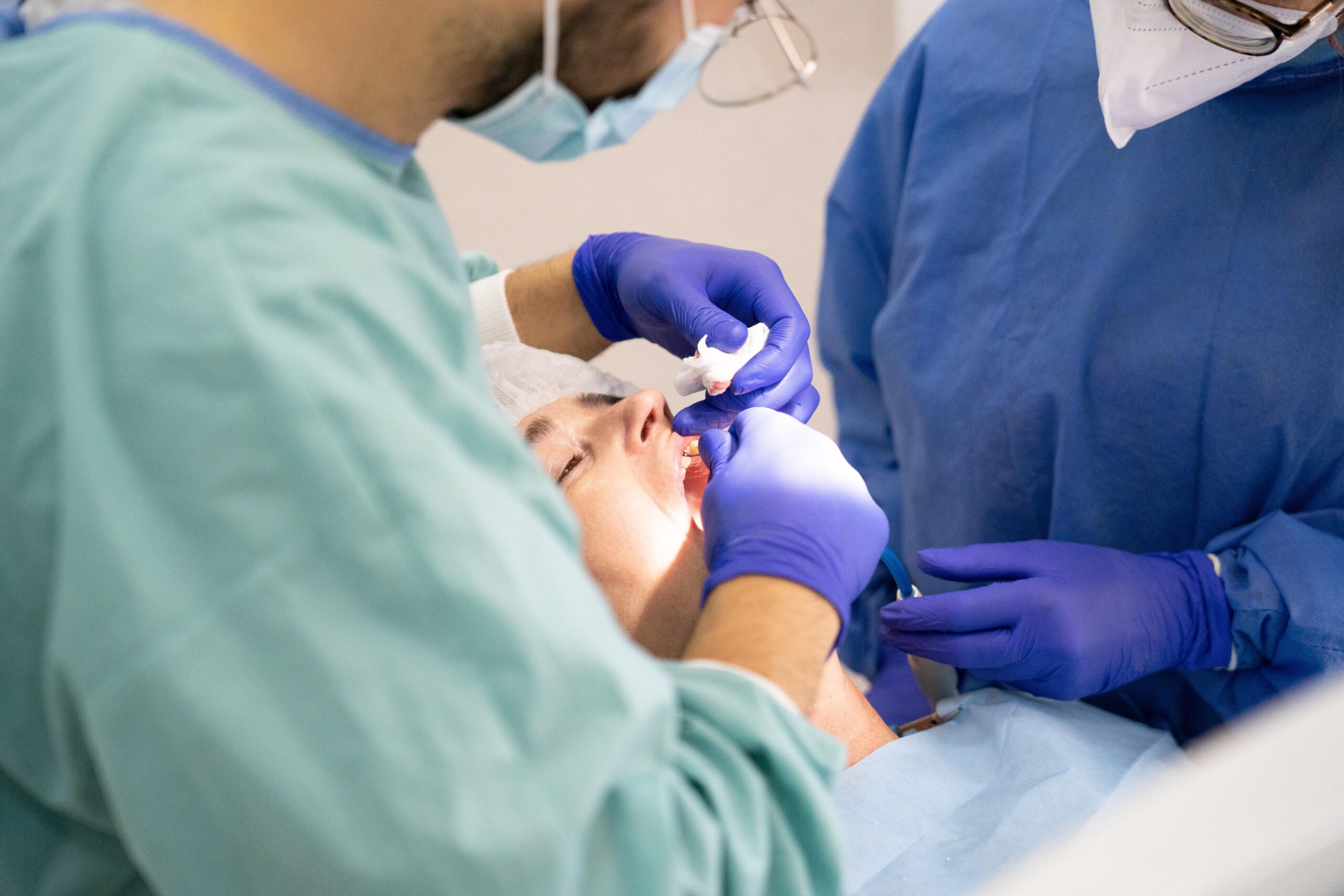
The weeks after your dental implant surgery are a pretty important time. You can experience an extremely smooth surgery, but if you don’t look after your mouth properly, your dental implant won’t integrate in the way it needs to.
This guide walks through what actually helps your mouth heal and what tends to cause problems or slow things down.
Key Takeaways
- Your first two weeks determine a lot. This is when your bone is starting to fuse with the implant and when infection risk is highest.
- Before surgery, do yourself a favour and prepare. Stock soft foods, arrange time off, have someone available and keep your dentist’s emergency number handy.
- Contact your dentist immediately if you experience fever, severe pain, excessive bleeding, or foul taste. Early action can stop complications before they become bigger issues.
Why following aftercare instructions matters
You probably spend time and money looking after your general health, like a gym membership or eating well. Well, your mouth deserves the same commitment, and it needs proper maintenance too.
Recovery is where your commitment actually shows. Why it matters:
- Infection is the main risk in those first weeks. Your mouth is an open wound, and bacteria can get in and damage the bone around your implant if you’re not careful.
- Your implant needs specific conditions to bond with your jawbone. It’s not automatic, and damage during this window can affect how it works down the line.
- Complications like dry socket or excessive bleeding slow everything down and increase infection risk, which is why prevention is actually easier than dealing with problems after they happen.
- Implants that heal properly during recovery tend to work well for years.
What you CAN do after dental implant surgery
1. Eat soft, cool foods
Eat soft, cool foods. Your mouth needs protection while it’s healing, so stick to things that don’t require much chewing.
- Soup (cooled to lukewarm)
- Mashed potatoes
- Scrambled eggs
- Yoghurt
- Smoothies (don’t use a straw)
- Soft fruits like bananas and avocados
- Oatmeal and porridge
Avoid anything too hot or too cold because both cause pain. Lukewarm or room temperature is the sweet spot.
2. Take prescribed pain relief & antibiotics as directed
Take your pain relief and antibiotics as prescribed. Don’t tough it out waiting for pain to get unbearable.
Painkillers work better if you take them regularly as directed, usually for the first 2-3 days. If your dentist gave you stronger medication, use it exactly as they said.
Finish every antibiotic too, even if you’re feeling fine. Antibiotics stop infection before it starts.
3. Rest and keep your head elevated
Rest properly and keep your head up. Your body needs energy to heal, so:
- Get your eight hours of sleep and nap if you can during the day.
- Sleep elevated on extra pillows to keep swelling down.
- Skip anything strenuous for at least a week.
4. Use a cold compress to reduce swelling
Use ice to manage swelling:
- For the first 24-48 hours, apply ice for 20 minutes, then take it off for 20 minutes.
- Wrap it in a cloth first and never put ice directly on skin.
It naturally reduces inflammation and makes you more comfortable.
5. Gently rinse with salt water (after 24 hrs)
Rinse with salt water starting the day after surgery. This keeps the area clean without disturbing your healing tissues:
- Mix 1 teaspoon salt with 1 cup warm water
- Rinse gently for 2 minutes, 2-3 times daily
- Spit gently and don’t rinse vigorously, as this can disturb blood clots
6. Resume light daily activities after 24–48 hours
Gentle movement helps aid recovery, and stops you from feeling cabin fever:
- Short walks are fine
- Light stretching is okay
- Return to work if your job is desk-based
- Avoid anything that elevates your heart rate
What NOT to do after dental implant surgery
1. Don’t smoke or vape
Nicotine narrows your blood vessels, which means less blood gets to your implant site right when it needs maximum circulation. Your immune system doesn’t work as well when you smoke, and your cells heal more slowly.
Ideally, you should quit at least a week before surgery and avoid nicotine for at least 2 months after to be a candidate for implants.
2. Avoid hard, crunchy or chewy foods
Your surgical site can’t handle the pressure that comes from chewing hard foods. That means skipping:
- Nuts and seeds
- Raw vegetables
- Chips and popcorn
- Hard candy
Sticky foods like caramel and chewing gum are just as bad because they stick to your implant and can pull on the healing area. You’re trying to let your mouth settle down, not add stress to it.
3. Don’t drink through a straw
The suction from straws disturbs blood clots and can cause dry socket. Drink directly from a cup instead, for at least the first week.
4. Avoid strenuous exercise for at least a week
Elevated heart rate can reopen your surgical site or cause excessive bleeding. Light walking is fine, but strenuous activity isn’t. Things like:
- Gym workouts
- Running or jogging
- Heavy lifting
- Sports
- Intense cardio
5. Don’t touch, poke or disturb the surgical site (with tongue or fingers)
Use your tongue carefully. Touching introduces bacteria and can disturb the healing process:
- Avoid touching the area with your fingers
- Don’t prod or poke with your tongue
- Resist the urge to “check” how it’s healing
- Try to be aware and stop yourself from disturbing the surgical site
6. Avoid hot drinks in the first few days
Hot beverages increase bleeding and can dissolve blood clots. Here are some tips:
- No hot coffee, tea, or soup for at least 24-48 hours
- Let drinks cool to lukewarm before consuming
7. Avoid alcohol for the first week
Avoid alcohol entirely for at least the first week. It thins blood and increases bleeding risk.
How long does recovery take?
Full recovery takes several months, but initial healing (when aftercare matters most) is the first 2 weeks.
Timelines will be individual, based on your own health, but here’s what to expect:
| Timeline | What’s Happening |
| First 24 hours | Swelling peaks, bleeding controlled with gauze, numbness wears off |
| Days 2-7 | Swelling decreases, stitches may dissolve or be removed, gentle activities resume |
| Week 2-4 | Most discomfort resolves, you can introduce slightly firmer foods gradually |
| Weeks 4-6 | Bone integration continues, soft diet can gradually expand |
| 3-6 months | Full osseointegration completes, crown placement follows |
Signs you should contact your dentist
Don’t wait for your next appointment. Contact your dentist immediately if you experience:
- Fever or chills (sign of infection)
- Excessive bleeding that doesn’t stop after gentle pressure
- Severe pain not relieved by prescribed medication
- Swelling that worsens after day 5
- Foul taste or smell from the surgical site
- Pus or discharge
- Signs of allergic reaction (rash, difficulty breathing)
The earlier you see your dentist, the more likely you can address any complications.
Tips for a comfortable recovery
Plan ahead by doing the following
- Stock soft foods before surgery
- Arrange time off work if possible
- Have someone available to help if needed
- Prepare your recovery space (extra pillows, ice packs, clean gauze)
During recovery
- Set phone reminders for antibiotics and pain medication
- Keep your dentist’s after-hours contact number handy
- Follow your specific post-op instructions (your dentist may have additional guidance)
- Attend all follow-up appointments
Find out more during a consultation
At FoX Dental Implants (Melbourne, Brisbane, Adelaide), we provide detailed aftercare guidance tailored to your individual situation.
What’s included in your consultation:
- Assessment of your suitability for implants
- Discussion of the entire recovery process
- Personalised aftercare instructions
- Clear guidance on what to expect
After your consultation:
If you decide to proceed, we’ll provide a separate, itemised treatment plan with full costs outlined before any treatment begins.
We’re here to answer all your questions and help you make the right choice for your health.
Can I brush my teeth after implant surgery?
Yes. Wait 24 hours, then start brushing your remaining teeth. Be extra gentle, and avoid the implant site entirely until your dentist gives you the all-clear.
What about coffee and alcohol?
Skip hot coffee for the first couple of days. Heat makes bleeding worse. Alcohol can thin your blood, so it’s best to avoid it for at least a week. After that, lukewarm coffee is fine, though you’ll want to keep alcohol limited for a few more weeks to be safe.
Can I fly after getting implants?
Timing matters here. The first 24-48 hours after surgery are when swelling peaks and bleeding is most likely, which is not ideal for flying. Air pressure itself isn’t a problem for implants, but being in an airplane while you’re healing can increase discomfort and infection risk. Chat with your dentist before you book anything.
What about MRIs?
Titanium implants are MRI-safe. They won’t cause problems with imaging or interfere with the scan. Just mention your implants to the radiologist and doctor beforehand.
In rare cases where certain implant components are used, there might be specific precautions, so your dentist can provide documentation of your implant type if needed.
Can I still get braces with implants?
Braces won’t move implants. They’re locked into your bone and don’t have the same biological attachment that natural teeth do.
But braces can still straighten your natural teeth around your implants. Whether that’s the right move depends on your specific bite and alignment needs, so talk to both your orthodontist and dentist about what makes sense for your situation.