

Expert Care for Failing Dental Implants
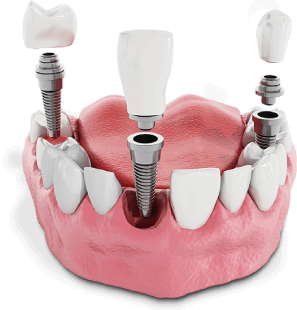
If you’ve completed dental implant treatment but are experiencing swelling, pain or signs of infection around your implants, it’s important to seek an assessment from a qualified dental professional. Dental implants are one option for replacing missing teeth, but as with any dental procedure, complications can occur. Dental implant failure may be associated with a range of factors, including implant positioning, treatment planning, healing, oral hygiene and individual patient circumstances. A comprehensive assessment is required to determine the underlying cause and the most appropriate treatment approach.
Unequal distribution of pressure due to insufficient implants or improper bite adjustment can lead to complications like prosthetic fracture, bone loss, and infection. Dr. Nick Trevlopoulos and our team possess the expertise and advanced technology necessary to handle implant removal, if needed, and ensure a proper replacement.
What Is Peri-Implantitis?
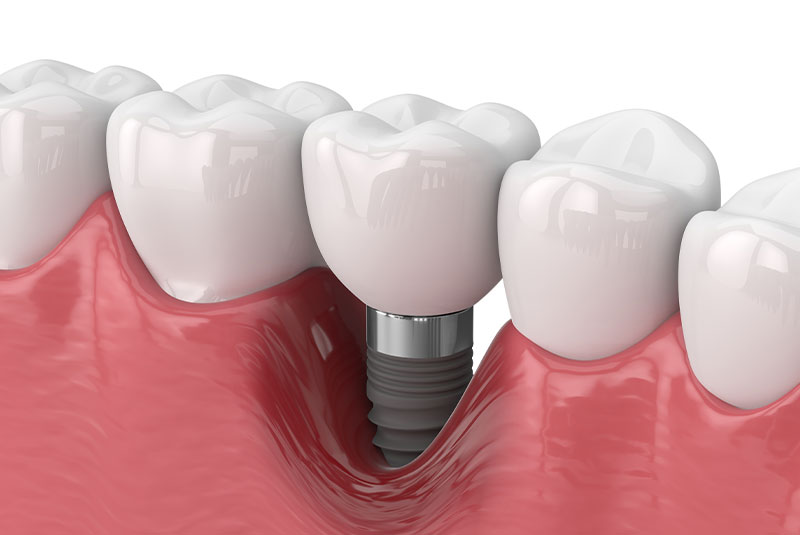
Peri-implantitis is a condition that arises around dental implants and is characterized by inflammation in the tissues surrounding the implant site. This inflammatory response is typically caused by bacterial infection, leading to the gradual breakdown of the bone and supporting structures that anchor the dental implant. Common symptoms include redness, swelling, bleeding, and discomfort around the implant area.
If left untreated, peri-implantitis can progress to more severe stages, potentially causing bone loss and compromising the stability of the implant. Regular dental check-ups are essential for early detection and intervention. Understanding peri-implantitis is crucial for maintaining the long-term success of dental implants, emphasizing the importance of proactive oral hygiene practices and professional dental care to prevent and address this condition effectively.
Causes of Dental Implant Complications
- Excessive stress on implant(s)
- Improper angle and location
- Unadjusted or misaligned bite
- Chronic teeth grinding
- Poor oral hygiene
- Dental trauma
- Systemic disease
Solutions for Failing Implants
Peri-Implantitis Treatment
In nonsurgical interventions, we thoroughly clean the dental implant surfaces and surrounding tissues to eliminate bacterial biofilm and prevent further inflammation. This process, known as mechanical debridement, involves the removal of plaque and calculus using specialized instruments. Antimicrobial agents may be applied locally to target and eliminate any remaining bacteria, promoting healing and preventing the progression of peri-implantitis without requiring invasive surgical procedures.
Surgical Treatment
There are two primary techniques for removing a failing dental implant from the bone: cutting a small portion of bone, often utilizing a piezo-electric device, around the dental implant’s edge for easy removal. The alternative technique is a “reverse torque,” gently extracting the implant from the bone. Throughout these processes, our overarching goal is to preserve as much of your natural bone as possible, ensuring a more predictable and enduring success for future implant procedures.
Expert Care After Implant Failure
Experiencing a failed implant does not necessarily exclude you from being considered for future treatment. A comprehensive assessment by a qualified clinician is required to determine the most appropriate treatment approach for your individual circumstances. Dr. Nick and our team have extensive education and training in dental implant treatment and follow established clinical protocols to provide care tailored to each patient’s needs. We use modern dental technology and clinically accepted materials to support treatment planning and implant procedures.
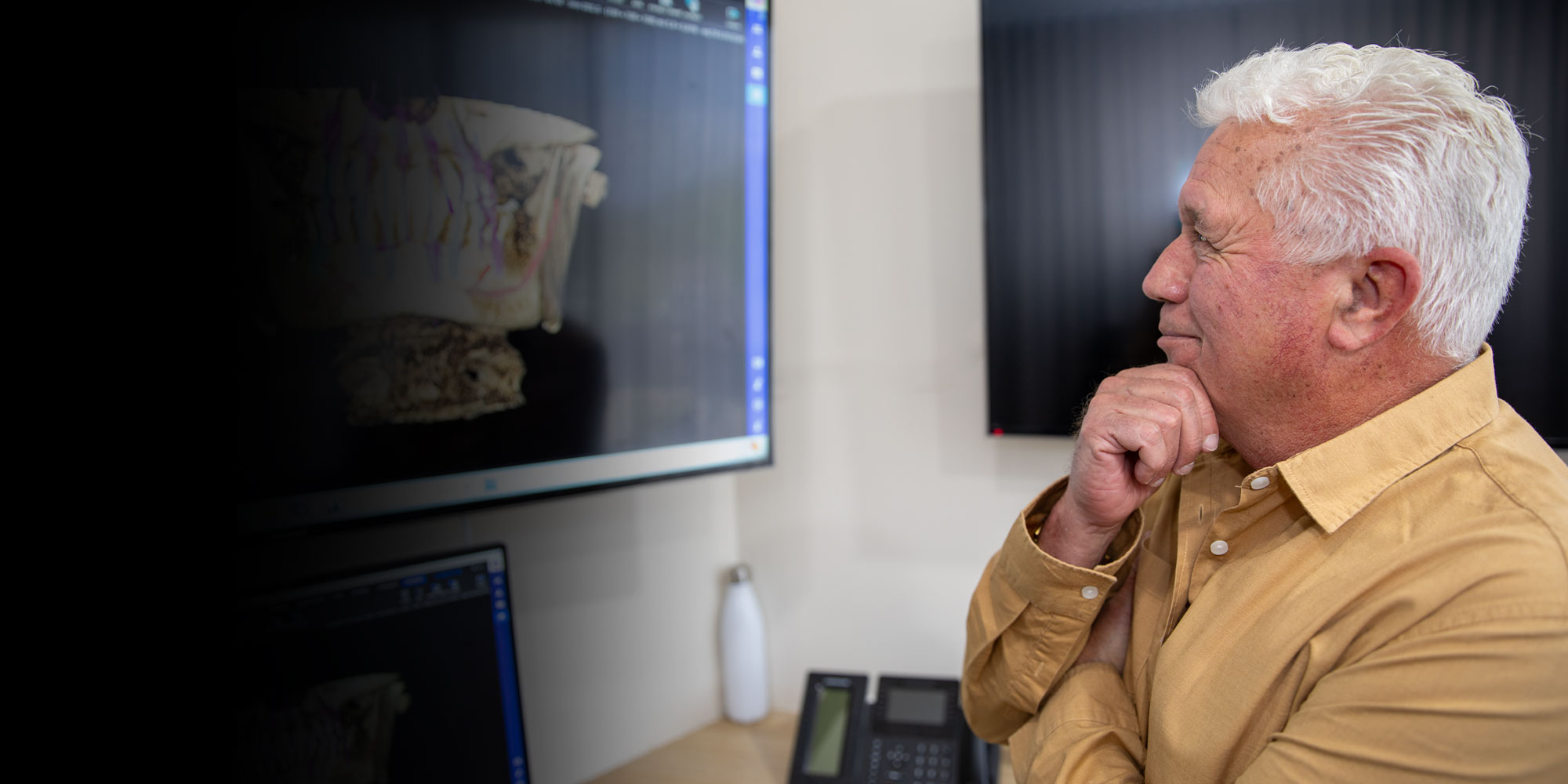
Advanced technology assists with diagnosis, treatment planning and implant placement to support clinical accuracy. Our team provides personalised care based on your individual treatment plan, with the aim of restoring oral function and achieving a natural-looking result where clinically appropriate.
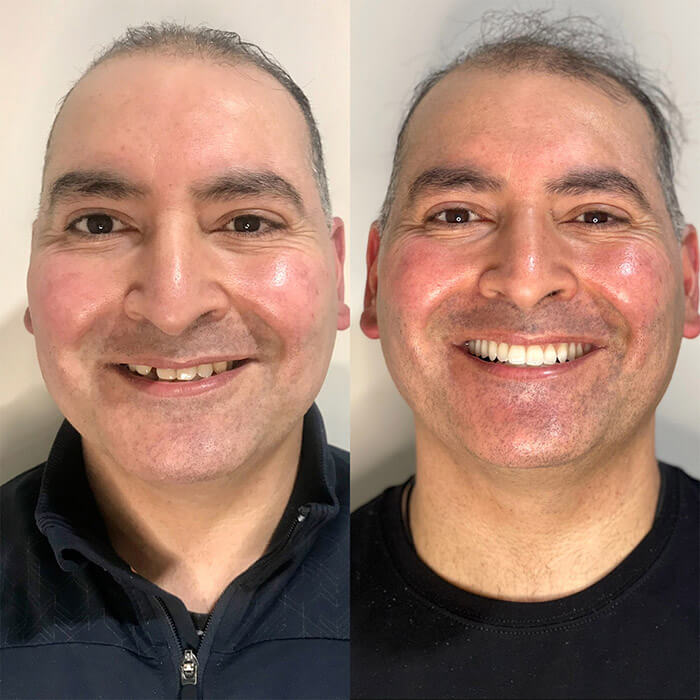
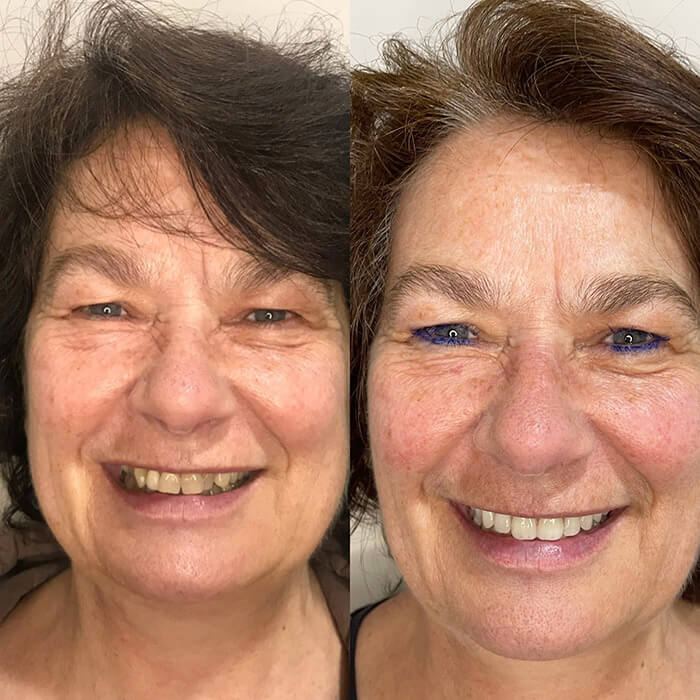
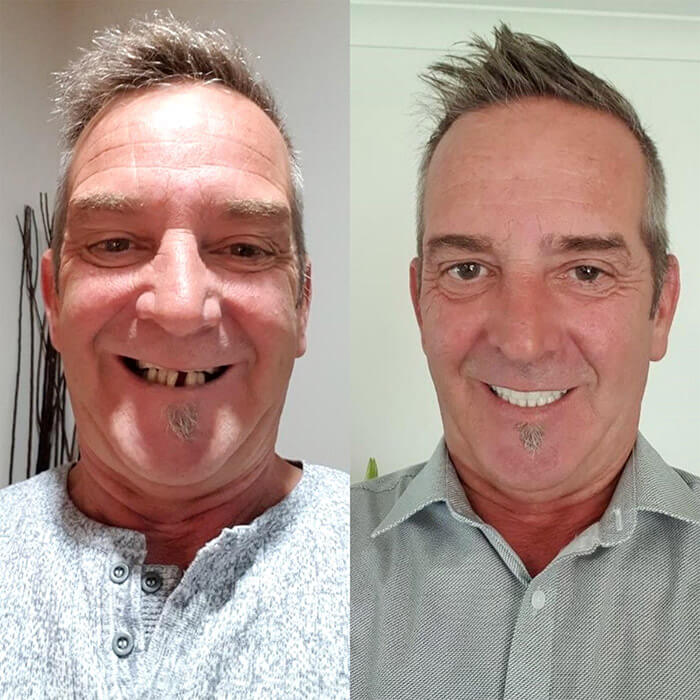
New Teeth in One Day
Flexible Payment Options
Request A Free Consultation

Get implant pricing and financing options,
Including your superfund!
Find Out If You're A Candidate!