

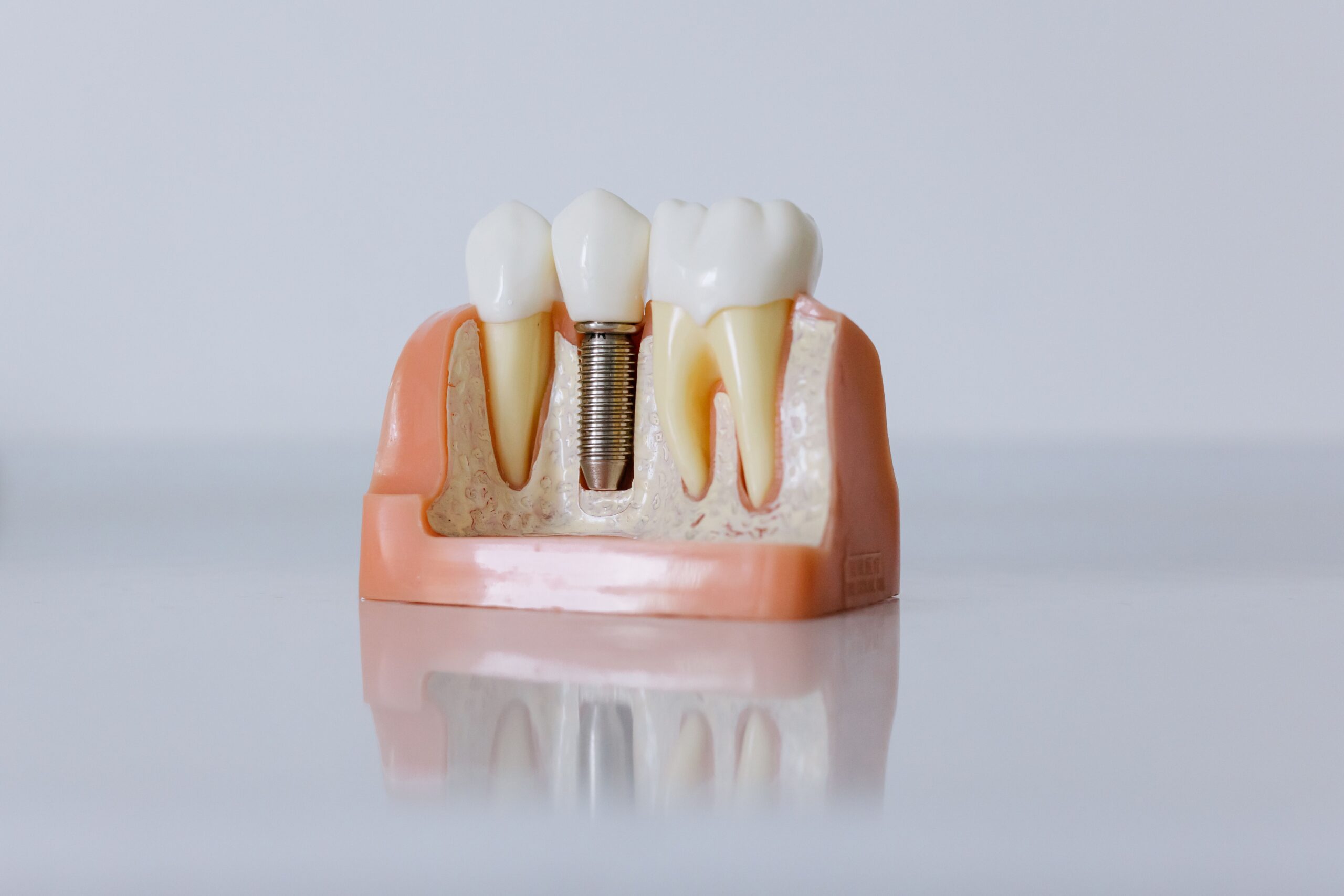
Information around dental implants is overrun with conflicting advice. Plus, it doesn’t help if you’re nervous about surgery and you’ve become uneasy after seeing a viral video of an overseas procedure.
Across Australia, tens of thousands of implants have been placed, and the vast majority integrate successfully. But like any surgical procedure, implants aren’t inherently risk-free. What matters is understanding what those risks actually are, how likely they are to affect you and what you can do to minimise them.
Let’s talk about what safety really means when it comes to dental implants, and why thousands of people choose them every year.
In Summary
- Most complications with dental implants are minor and manageable when caught early through professional assessment and proper aftercare.
- Your individual health status, commitment to maintenance and dentist’s experience significantly influence outcomes.
- Understanding your personal risk factors before treatment allows us to create a plan specifically tailored to you.
Why are dental implants considered ‘safe’?
1. Titanium is known for its strength and biological compatibility
Titanium is used widely in medical procedures because of its biocompatibility. When placed in your jawbone, titanium implants are designed to fuse with the bone through a process called osseointegration, essentially becoming part of your jaw structure over time.
2. Standards and research have come a long way
Australian standards are comprehensive, and they cover the entire implant journey. Everything from how we talk about your treatment to how we support your recovery is guided by strict standards. And that’s grounded in investing in the most up-to-date tech.
3. A tailored approach
It’s important to account for the factors that influence how your body responds, heals and integrates the implant. This is why a personalised approach helps account for your individual risk factors
rather than placing implants the same way for everyone.
What happens before treatment to make implants safer
1. It starts with your health assessment
During your initial consultation, we’ll have an honest conversation about your health. We want to understand your medical history, current medications, lifestyle habits and any conditions that might influence how your body heals.
2. Advanced 3D imaging
Once we have a map of your jawbone structure, it can show us exactly where bone is strongest and where nerves are located. This detailed planning means that an implant can be positioned with accuracy, decreasing the likelihood of complications.
3. Starting with a solid foundation
We’ll also check your gums and assess whether any preparatory work would benefit your case. Things like:
- Gum disease – Getting professional treatment before implants
- Insufficient bone – Bone grafting before implants
- Thin gum tissue – Tissue grafting to support the final result
- Poor oral hygiene habits – Education and support to improve your health
How safe is the dental implant procedure itself?
Performed in a sterilised, surgical environment
Implant surgery happens in sterile, controlled settings with advanced equipment. During your procedure, your dentist will monitor progress with your safety as the priority.
Anaesthesia options tailored to your needs and history
You can opt for the sedation method that aligns with your comfort level. Your dentist can also discuss what’s appropriate for you and your medical history. The options are:
- Local anaesthesia: Numb area; you remain awake
- Sedation: Relaxed; twilight sleep during procedure
- General anaesthesia: Full sleep; ideal for complex cases or anxious patients
A carefully planned procedure from start to finish
The actual placement typically takes a few hours depending on complexity. Most patients describe feeling pressure rather than pain, and the procedure itself can be straightforward with the right planning.
What makes someone a good candidate for dental implants
1. Stable health
You don’t need perfect health or a flawless medical history to be a good candidate for implants. What matters is that your general health is reasonably stable, or a commitment to get there.
2. Adequate jawbone
Adequate jawbone is essential because your bone needs to be thick enough to anchor the dental implant safely. Additional treatment like bone grafting might be recommended to rebuild the area before starting the implant placement process.
3. A commitment to aftercare
Committing to stable health doesn’t stop after you get your implants placed. Your commitment to aftercare can make a real difference. Your implants will need daily brushing and flossing, plus regular checkups with a dentist.
Understanding the risks
Every surgery carries potential complications
With implants, these could include:
- Infection at the surgical site
- Implant failure to integrate with bone
- Nerve sensitivity or numbness
- Sinus complications (rare)
- Gum recession around the implant
Are complications manageable?
The key is catching any type of problem early, which is why follow-up appointments matter. Here’s how some complications can be managed:
- An implant that fails can often be removed and replaced after healing.
- Infections can be treated with antibiotics and proper care.
- Nerve sensitivity might improve over time.
What matters most is finding a dentist genuinely committed to your entire journey. When they’re honest about what could go wrong with dental implants and clear about how they’ll prevent it, you’re in far safer hands.
What can increase the risk of implant problems?
Here are some of the most common things that can increase the risk of problems. Being aware of the impact and what helps means you can take control of your outcome and work with your dentist to minimise risks where you can:
| Risk Factor | Impact | What Helps |
| Smoking | Impairs healing and increases failure risk | Quit before surgery. The longer you stop, the better your outcomes |
| Uncontrolled diabetes | Affects bone healing and integration | Work with your doctor to manage it |
| Gum disease | Bacteria compromise implant success | Treat before implant placement |
| Poor oral hygiene | Biggest preventable risk factor | Daily brushing, flossing and professional care |
| Teeth grinding | Excessive force damages implants | Wear a nightguard (splint) to solve this |
| Certain medications | Some medicines can slow bone healing | Inform the surgeon, and they’ll plan accordingly |
How Fox Dental Implants creates a safe treatment plan around your health
1. Your teeth, your plan
Rather than recommending the same approach, we assess your specific situation that informs the plan around it. Your health history, bone structure and healing all influence our recommendations.
2. A real team effort
If we identify risks, we’ll address them. Whether it’s gum treatment, waiting a few months after stopping smoking or recommending specific aftercare instructions, you’ve got a team to support you for the long haul.
Find out if dental implants are right for you
For many people, dental implants are a safe option to replace missing teeth, but the only way to know for sure is through a thorough clinical assessment.
Whether you’re exploring full-mouth or single implants, you’ll discuss realistic outcomes based on your health so you can make a decision that feels genuinely right for you.
Book your free consultation at Fox Dental Implants in Melbourne, Adelaide or Brisbane. We’re here when you’re ready.
Important Disclosure: All surgical procedures carry risks, and individual outcomes vary based on personal health factors and aftercare. This information is general and doesn’t replace personalised clinical advice. Treatment suitability is determined only through comprehensive professional assessment.