

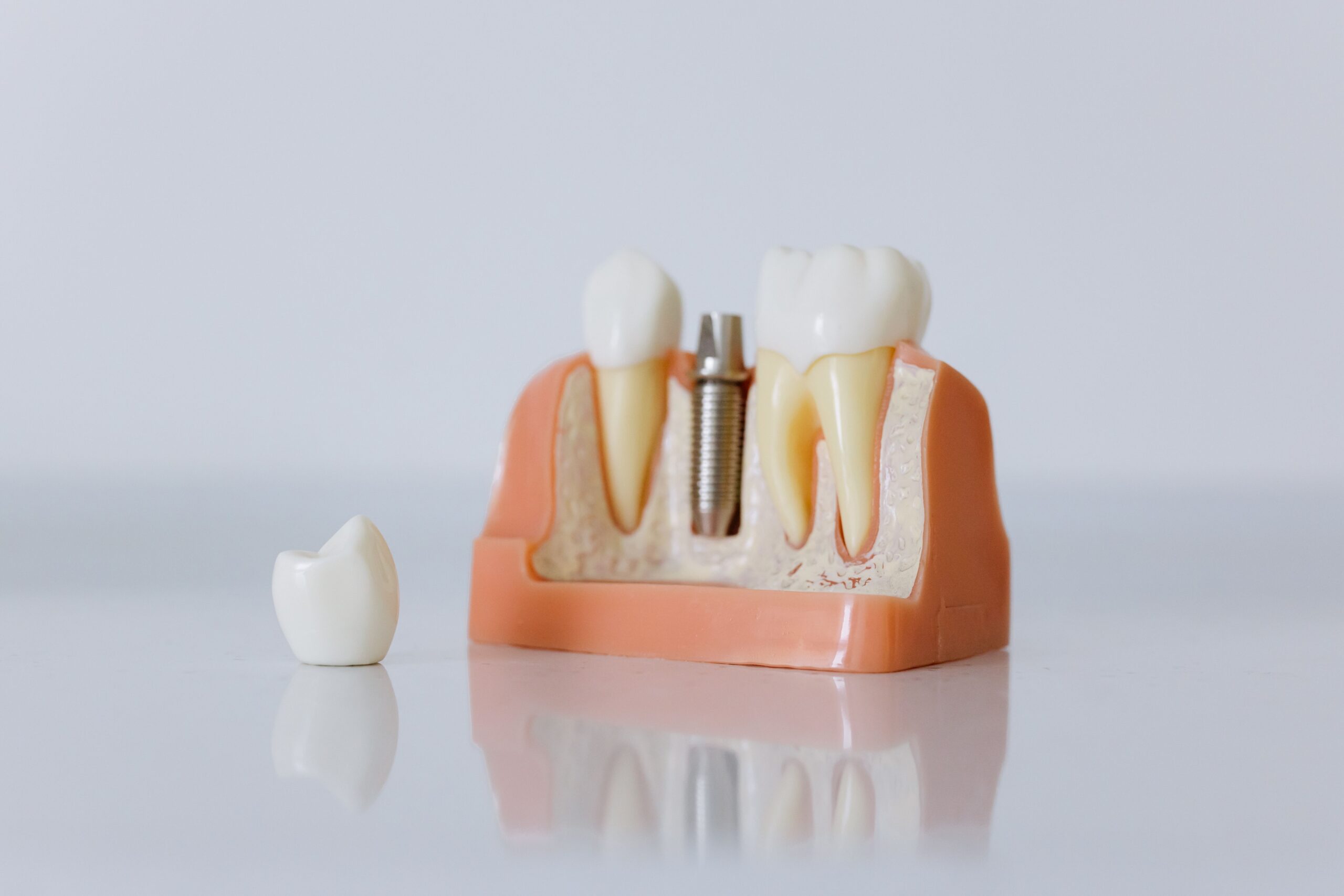
Cost is keeping Aussies away from the dentist. Australian Dental Association (ADA) data shows 63 per cent of people skip their yearly visit and pointpointing to price as the main barrier.
It’s pretty understandable how dental tourism’s lower prices and flashy all-inclusive packages have become popular in Australia. Add the copious number of influencers who are normalising the whole thing, and you can see how every day Australians are looking abroad for their dental work.
But before you start looking at the in-flight entertainment, it’s worth understanding what you might be trading off… The full cost of overseas treatment is rarely as straightforward as it looks.
In summary
- Overseas dental implants may appear cheaper upfront, but the true cost (including flights, accommodation, time off work, and the risk of complications) adds up.
- Implant treatment spans multiple appointments over several months. Managing that process from Australia, with a clinical team you can’t easily reach, introduces real risk.
- For most Australians, getting implants at home means clearer warranties, consistent standards, and a practitioner who’s actually there if something goes wrong.
Why do some Australians consider dental implants overseas?
Treatment in countries like Thailand, Bali and Vietnam can look significantly cheaper than Australian prices… and combining it with a tropical holiday makes the idea even more appealing.
But the stakes are higher when you look beyond the price of it all. Dental implant treatment isn’t a one-and-done type of procedure. It takes months, multiple appointments and careful follow-up.
That’s difficult to manage when the clinic you’re going to is a long-haul flight away.
Are there risks of getting dental implants overseas?
There are some important considerations that come with overseas dental implant work…
1. Follow-up care once you return home
Dental implant treatment spans multiple stages over several months. Once you’re back in Australia, it’s not like you can hop on a plane for another in-person review.
Local practitioners might be reluctant to take on responsibility for someone else’s work… or they might find out that your original procedure wasn’t exactly by the book.
2. Complications may be harder to manage
If it looks like your overseas dental job has an infection, implant failure or peri-implantitis, you’ll need to find a clinic close to home that’s willing and able to manage it.
3. Different safety standards and regulations
Australian dental practitioners are regulated by AHPRA and must meet strict clinical control standards. Overseas clinics operate under different regulatory frameworks and standards that can be harder to verify from Australia.
4. Communication and treatment planning challenges
Good implant treatment really requires a tailored plan, accurate imaging and clear communication. Language barriers and time pressures of a short visit can make it harder to fully understand what you’re signing up to, or ask the right questions before you commit.
5. Added stress from travel and recovery
Post-surgical recovery ideally involves rest… not eight-hour flights or adjusting to an unfamiliar environment. Travelling home shortly after surgery might actually affect the healing process altogether.
6. Warranties may not be accessible from Australia
Even if a warranty is offered, most overseas clinics require you to return in person to make a claim.
Are overseas dental implants really cheaper?
The upfront quote may be lower, but that’s rarely the full story when it comes to overseas dental…
The upfront cost vs the long-term cost
A lower procedure price doesn’t account for failure or any complications.
Corrective treatment in Australia, like removing a failed implant, bone grafting and re-placement, can cost significantly more than the original saving.
Travel, accommodation and time off work
Return flights, accommodation, meals and time away from work aren’t free.
If multiple trips are required, those costs can close the gap with Australian pricing faster than initially expected.
| Cost consideration | Overseas | Australia |
| Procedure cost | Often lower upfront | Higher upfront |
| Travel and accommodation | Additional cost per trip | Not applicable |
| Follow-up appointments | Difficult to access | Straightforward |
| Complication management | Complex and costly | Managed by your practitioner |
| Warranty access | Requires return visit | Clearer terms and accountability |
| Regulatory oversight | Varies by country | AHPRA regulated |
Why dental implants need more than one appointment
Implant treatment isn’t something that can be wrapped up in a week abroad. A typical course of treatment involves:
- Initial consultation, imaging, and treatment planning
- Tooth extraction (if required)
- Implant placement surgery
- A healing period of several weeks to months (osseointegration)
- Abutment fitting and crown placement
- Follow-up reviews to confirm integration and bite function
Managing that process across two countries without continuity of care, is where things tend to go wrong.
What happens if something goes wrong after you get home?
Who is responsible for fixing the issue?
In most cases, no one is legally obligated to.
Your overseas clinic is out of reach, and Australian clinics have no duty to take on another provider’s work. And working out who covers the cost can be a frustratingly expensive process.
Will your implant warranty still apply in Australia?
Before committing, ask specifically whether the warranty applies in your home country, and get the answer in writing.
Can an Australian practitioner help with overseas implant problems?
Possibly, but it depends on the implant system used, the clinical situation and the individual practitioner.
There is no guarantee an Australian practitioner will be able to continue overseas implant work, particularly if the components are unfamiliar or documentation is incomplete.
Why many patients choose to save implants in Australia
1. Follow-up appointments
Your treating practitioner is available throughout the entire process. Any concerns, however minor, can be assessed quickly and in person. There’s no distance or time zones in your way.
2. Clearer warranties and accountability
Australian clinics operate under clear professional and legal obligations. If something goes wrong, you have a straightforward path to resolution, without needing to board a plane to access it.
3. Consistent clinical standards
Treatment follows a familiar, consistent process from start to finish, with no unknowns around materials or technique. What you’re told at the consultation is what you get.
4. Recovery without all the travel
Healing at home, close to all your creature comforts and support network, is undoubtedly easier and less stressful than getting on a flight post-surgery.
Questions to ask before getting dental implants overseas
These are some important questions to ask before committing…
- What qualifications and experience does this clinic have, and can these be verified?
- What implant brand and materials will be used, and are these available in Australia if follow-up work is needed?
- How many visits are required, and what follow-up care is included in the quote?
- What happens if there are complications? Who is responsible, and what does that process look like from a different country?
- Is there a warranty? What does it cover, and does it apply in Australia?
What are you really paying for? Why Australian implants cost more
When comparing an overseas quote to pricing in Australia, you’re rarely comparing the same thing. Understanding that difference helps makes sense of why implants in Australia cost what they do.
AHPRA standards and compliance
Australian dental practitioners operate under pretty strict oversight. We have to keep detailed records, carry professional insurance and be committed to continuous learning. Yes, it costs to maintain these standards, but it brings genuine accountability that protects you.
Premium materials
Australian clinics use quality titanium in their implants. There are definitely cheaper options, but if you need follow-up work done in Australia, then those unfamiliar materials might be more expensive to fix. Quality costs more upfront, but it proves its worth in the long term.
Custom crowns made in our in-house lab
Many clinics (including us!) create custom crowns from an in-house laboratory. This level of personalisation requires specialised equipment and very careful quality control, which costs more than mass-produced alternatives.
General anaesthetic capability
Offering in-house general anaesthetic means having a trained team, monitoring equipment and strict safety protocols. It comes at a real cost to have this capability, but it’s what allows us to give anxious patients peace of mind.
Overheads in Australia
Choosing a clinic in Australia means supporting a clinic that pays fair wages, maintains sterilisation equipment and carries proper insurance. Once you factor in electricity and rent, it all adds up. But this cost is what keeps you safe and supported compared to countries with lower labour and infrastructure costs.
When you choose to get dental implants placed in Australia, you’re investing in a team that is accountable to you. They’re accessible when you need them, and the safety standards are transparent and verifiable.
Get answers before making a decision
It helps to know all your options. If you’re considering dental implants and want a clear picture of treatment, including cost, timeline and what to expect, book a consultation with us.