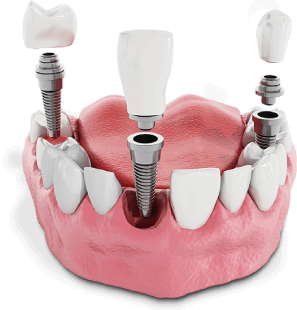

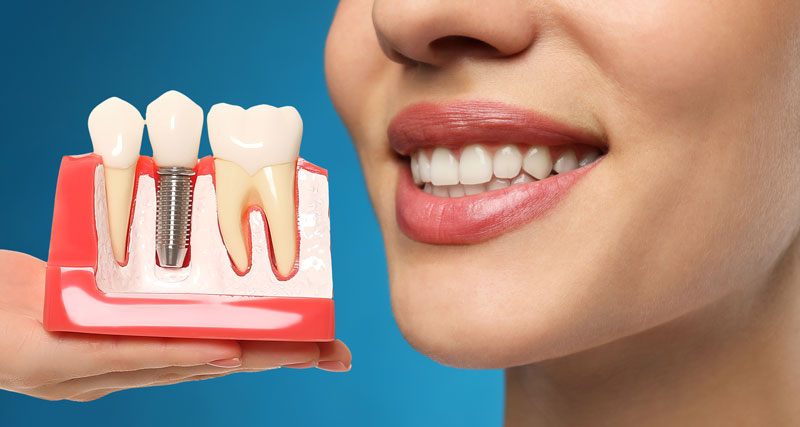

While dental implants are designed to be permanent replacements for missing teeth, proper maintenance is essential to prevent implant failure and support long-term success. Over time, plaque and tartar can still build up on implants, just like on natural teeth.
And just like your natural teeth, good oral hygiene practices like brushing, flossing, and attending regular dental visits can help ensure the long-term success of your implants.
Scroll on for our guide to dental implant aftercare and how to take care of them.
In summary:
- Just like natural teeth, dental implants need proper care.
- After surgery, protect the site, follow a soft-food diet, and maintain gentle oral hygiene.
- Take care of your implants with good oral hygiene. Brush and floss daily, use antimicrobial mouthwash, avoid hard or sticky foods, attend regular checkups, and manage lifestyle factors.
- And if any issues arise? It’s better to address problems sooner rather than later to ensure implant success.
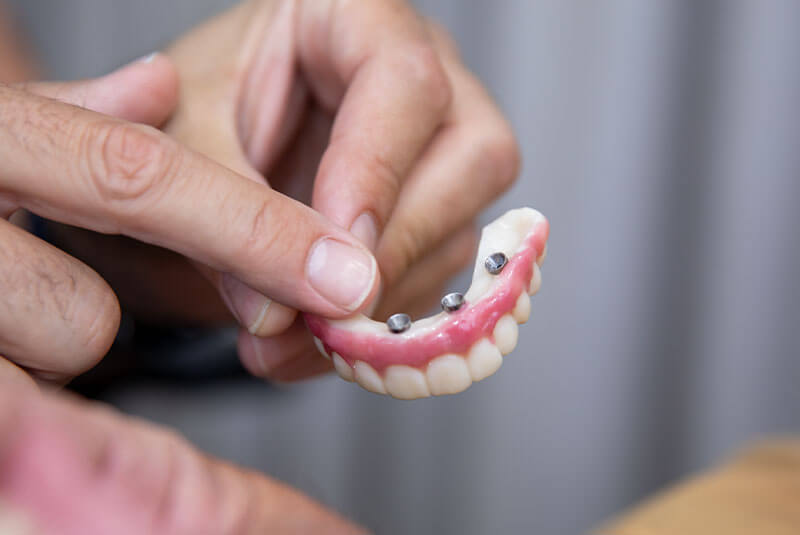
Don't Set Your Smile Up For Failure! Prevent and Avoid These Potential Implant Mistakes!
Phase 1: Immediate Post-Surgery Aftercare
The period immediately after dental implant surgery is critical for successful healing and recovery.
During this time, the jawbone and surrounding tissue begin healing and integrating with the implant. This process is called osseointegration.
What’s normal after surgery?
- Mild to moderate soreness
- Swelling (peaks around 48–72 hours)
- Minor bruising
- Light bleeding or pink saliva
Comfort and care tips right after your procedure
Patients should follow specific aftercare routines to avoid disturbing the implant site and to encourage healing, including:
Protect the Implant Site
- Do not touch the area with fingers or tongue.
- Avoid disturbing sutures.
- Do not brush directly over the implant site initially.
Manage Swelling and Discomfort
- Apply cold compresses for 15–20 minutes at a time during the first 24 hours.
- Keep your head elevated when resting.
- Take prescribed medication as directed.
Follow a Soft Food Diet
During this time, a soft food diet is the safest option. Try not to eat anything too chunky and instead opt for:
- Mashed vegetables
- Yoghurt
- Scrambled eggs
- Smooth soups (lukewarm)
- Smoothies (no straws)
It’s important to avoid:
- Hot foods
- Crunchy or hard foods
- Sticky foods
- Alcohol
- Smoking
Gentle Oral Hygiene
- Use a soft toothbrush.
- Rinse gently with warm salt water (after 24 hours).
- Avoid vigorous swishing.
Every patient’s healing journey is unique. Depending on your health, jawbone condition and the type of treatment, recovery can take weeks to months.
We’ll provide tailored aftercare advice to make the dental implant process as comfortable as possible.
Phase 2: Osseointegration (3–6 Months)
During this period, the titanium implant fuses with your jawbone.
You may notice:
- Mild intermittent tenderness
- Minor sensitivity
You should not experience:
- Increasing pain
- Implant mobility
- Persistent swelling
Regular reviews during this stage allow your dentist to monitor integration and address issues early if they arise.
Do dental implants need maintenance?
Yes, absolutely. Although implants are artificial, the surrounding gum and bone tissue are vulnerable to infection.
Plaque that accumulates around implants can harden into tartar. If left untreated, this may lead to:
- Gum inflammation
- Bone loss
- Peri-implantitis
- Implant failure
While implants are more durable and have lower maintenance needs than other tooth replacement options, they still require specific care routines to ensure they remain in optimal condition.
Phase 3: How to keep your dental implants clean
Unlike dentures and bridges that require special cleaning solutions or adjustments, implants are much easier to maintain because they mimic the structure and function of natural teeth.
Here’s our guide to keeping your dental implants clean:
1. Improve your oral hygiene routine
Brush Twice Daily
A consistent oral hygiene routine is essential for the longevity of dental implants. To maintain a healthy implant, make sure to follow good oral hygiene habits like:
- Use a soft or extra-soft toothbrush.
- Electric toothbrushes with soft heads are suitable.
- Avoid abrasive or whitening toothpastes.
- Choose a low-abrasive toothpaste to prevent scratching the implant surface.
Scratches on the implant surface can create small grooves where bacteria can accumulate, increasing the risk of gum disease or peri-implantitis.
Floss daily using:
- Implant-specific floss
- Floss threaders
- Interdental brushes (soft bristles only)
- Water flossers or oral irrigators
Use antimicrobial mouthwash
- Alcohol-free formulas preferred.
- Reduces bacteria around implant margins.
2. Avoid Hard or Sticky Foods
Hard or sticky foods can compromise the integrity of your dental implants. They can put pressure on the implant, leading to cracks or dislodgement.
Foods to avoid include:
- Hard foods: Popcorn kernels, hard lollies, and ice cubes.
- Sticky foods: Chewy candies, toffee, and sticky dried fruits.
- Tough foods: Overcooked meats, jerky or any foods that require excessive chewing.
3. Attend Regular Dental Checkups
Regular checkups are essential for detecting issues before they become serious. Your dentist can identify early signs of gum disease, peri-implantitis, or other dental issues that could compromise your implant’s stability.
4. Schedule Professional Cleanings Every Six Months
While a consistent dental care routine at home is important, it isn’t enough to fully protect implants.
Certain areas are difficult to clean thoroughly, which is why professional implant cleanings are necessary.
Plaque can harden into tartar, especially around the implant base. Tartar cannot be removed with brushing alone.
Professional cleaning:
- Removes hardened buildup
- Polishes implant surfaces
- Reduces bacterial attachment
- Protects surrounding bone
The benefits extend beyond implants. The removal of plaque and tartar from both implants and natural teeth also reduces the risk of decay, gingivitis and periodontitis, which can affect the health of the entire mouth.

Lifestyle habits that affect dental implant health
While implants are designed for long-term use, negative habits can weaken their stability and increase the risk of complications. This includes:
- Smoking and Tobacco Use: Smoking delays healing, increases the risk of gum disease, and reduces the success rate of implants.
- Poor Dental Hygiene: Neglecting daily hygiene practices can lead to gum disease, which weakens the surrounding tissues supporting the implant.
- Excessive Alcohol Consumption: Alcohol can slow down healing, irritate gum tissue, and contribute to poor oral hygiene.
- Teeth Grinding (Bruxism): Grinding puts excessive pressure on implants, leading to damage or failure.
Does diet matter?
A balanced diet also plays a significant role in gum and oral health aftercare, which directly impacts the success of dental implants. Certain foods promote healing, strengthen the jawbone, and maintain healthy gums around the implant site.
- Calcium-Rich Foods: Dairy alternatives like fortified almond milk, leafy greens, and broccoli support bone health and jawbone strength.
- Vitamin C-Rich Foods: Oranges, berries, and capsicums boost gum health and aid in healing.
- Omega-3 Fatty Acids: Foods like salmon, walnuts, and chia seeds reduce inflammation and support gum health.
- High-Fibre Fruits and Vegetables: Apples, carrots, and celery promote saliva production, which helps clean the mouth naturally.

Cleaning techniques for different types of dental implants
Different types of dental implants require different cleaning techniques to maintain their stability and longevity. Single-tooth implants, multi-tooth bridges, and full-arch implants each have unique care needs.
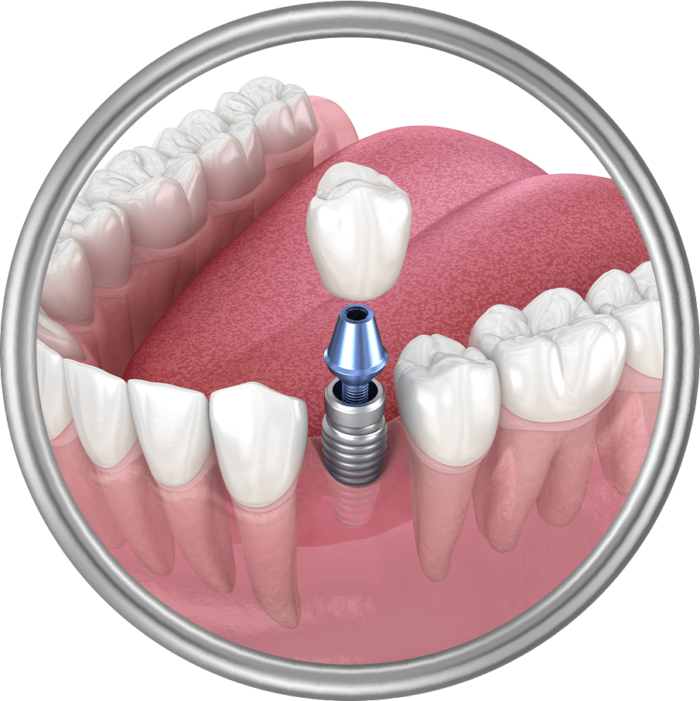
Single-Tooth Implants
- Brush like a natural tooth.
- Floss carefully around the crown.
- Focus on the gumline.
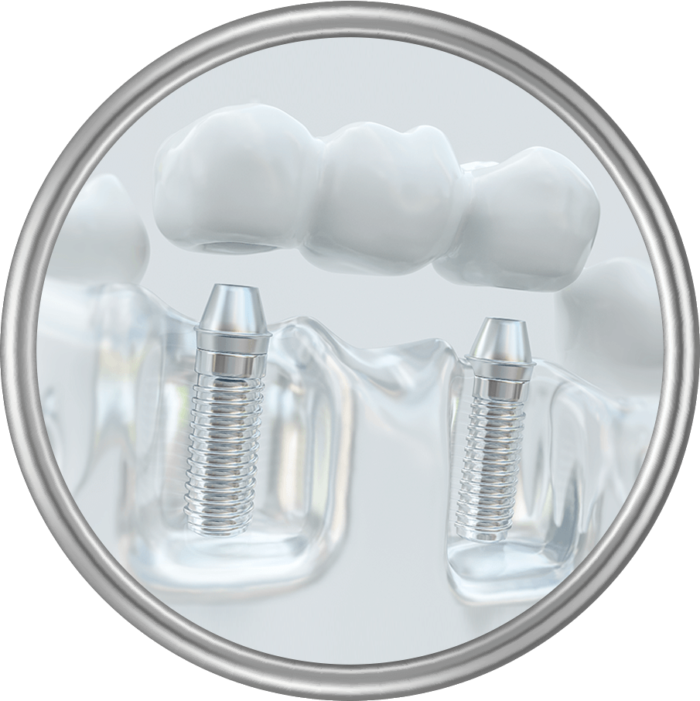
Implant-supported bridges
- Use floss threaders to clean underneath.
- Pay attention to food-trapping areas.
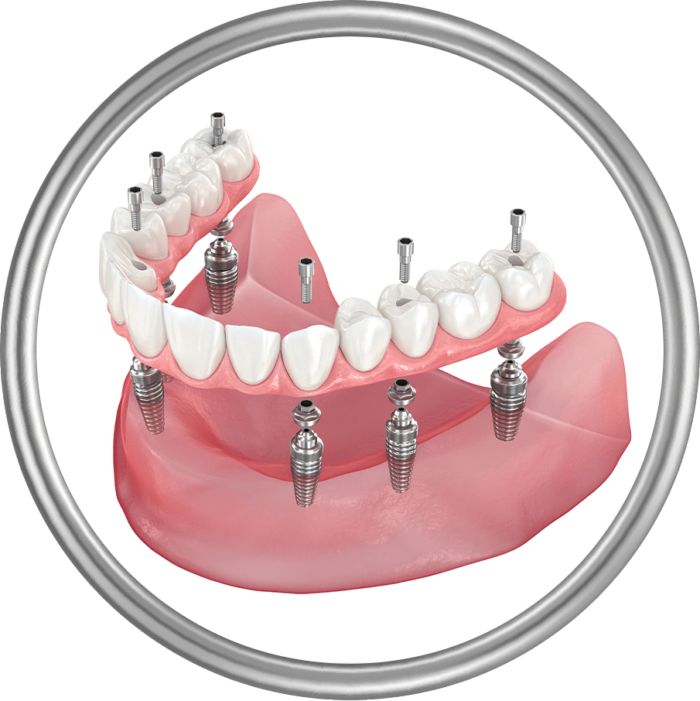
Full-Arch Implants
- Use a water flosser daily.
- Clean under the arch thoroughly.
- Professional maintenance is especially important.
How can I manage minor issues at home?
Dental implants are generally safe, but issues can arise that may require at-home care. Knowing how to manage minor problems can prevent complications from worsening and care for your implants:
- Gum Inflammation or Soreness: Rinse with salt water to soothe irritation. If discomfort persists, contact your dentist.
- Loose Implant Feeling: Avoid chewing on the affected side and schedule a dental checkup to address the issue.
- Food Trapped Around the Implant: Use a water flosser or interdental brush to dislodge trapped food particles.
- Bleeding Gums: Light bleeding can occur if gums are irritated. Rinse with salt water and avoid harsh brushing.
- Pain or Discomfort: Over-the-counter pain relievers can provide temporary relief, but persistent pain should be reported to a dentist.
If any of these problems persist or worsen, schedule an appointment with your dentist for a professional evaluation.

When should I contact my dentist about dental implant issues?
Like most surgical procedures, dental implant treatments carry risks. Early detection of any potential issues can save you from costly repairs and protect your overall oral health.
Here are early warning signs to watch for:
- Persistent pain beyond expected healing
- A loose or wobbly implant
- Swollen, red, or bleeding gums
- Gum recession exposing metal
- Difficulty chewing
- Pus or unusual discharge
- Fever
- Numbness or tingling
If you spot any of these signs, don’t hesitate to speak with a dental professional at FoX Implant Centre.
Need help with dental implants? Book a consultation today
Looking after your dental implants doesn’t have to be complicated. With the right care and support, you can clean your implants well while enjoying a smile that is uniquely yours.
Our experienced team provides comprehensive, in-house care, whether you need a new implant or a repair for a failing one. From consultation to surgery and follow-up care, you’ll receive expert attention every step of the way.
Book a consultation today and experience our dedicated care. We’re here to help when you’re ready.

FAQ
Yes. Use a soft or extra-soft toothbrush to avoid scratching the implant surface. Opt for low-abrasive toothpaste and consider electric toothbrushes or implant-specific floss to keep the area clean without damaging the restoration.
Absolutely. Smoking, excessive alcohol, poor oral hygiene and teeth grinding can impair healing, increase infection risk and compromise bone support. This can reduce the longevity and stability of dental implants.
Good habits and following aftercare instructions not only improve your dental implant’s success rate but also support your overall health.
Professional cleaning of implants uses specialised tools that remove plaque and tartar without scratching the implant surface. This prevents peri-implantitis and protects surrounding gums and bone, whereas natural teeth cleaning focuses on enamel and decay prevention.
Maintain daily brushing, flossing and rinsing with antimicrobial mouthwash. Attend regular dental checkups and professional cleanings, avoid smoking and manage diet and lifestyle factors to reduce bacterial buildup and support healthy gums around implants.
New Teeth in One Day
Funded by your Super
Request A Free Consultation
Get implant pricing and financing options,
Including your superfund!
Find Out If You're A Candidate!