

Dental Implants vs Dentures: Costs, Benefits & What’s Best for You
Everyone has a unique smile, but sometimes it stops feeling like yours.
Discomfort during mealtime. Awkward photo moments. The kind of frustration that doesn’t go away.
When you start looking into replacement options, dental implants and dentures are usually the two main paths discussed. Each have their own pros and cons, lifestyle considerations and is priced differently.
Scroll on to get a better understanding of your options and explore if dental implants or dentures may be suitable for you.
In summary:
- Dental implants are fixed replacements that are placed in the jawbone and restored with a crown, bridge, or denture.
- Dentures are removable appliances used to replace multiple or all missing teeth.
Implants may help maintain jawbone structure, while dentures do not stimulate bone. - Dentures generally have a lower upfront cost; implants involve higher initial costs and surgical treatment.
- Treatment time, health history, bone quality, lifestyle and budget all influence suitability.
- You’ll need a clinical assessment to determine the most appropriate option for you.
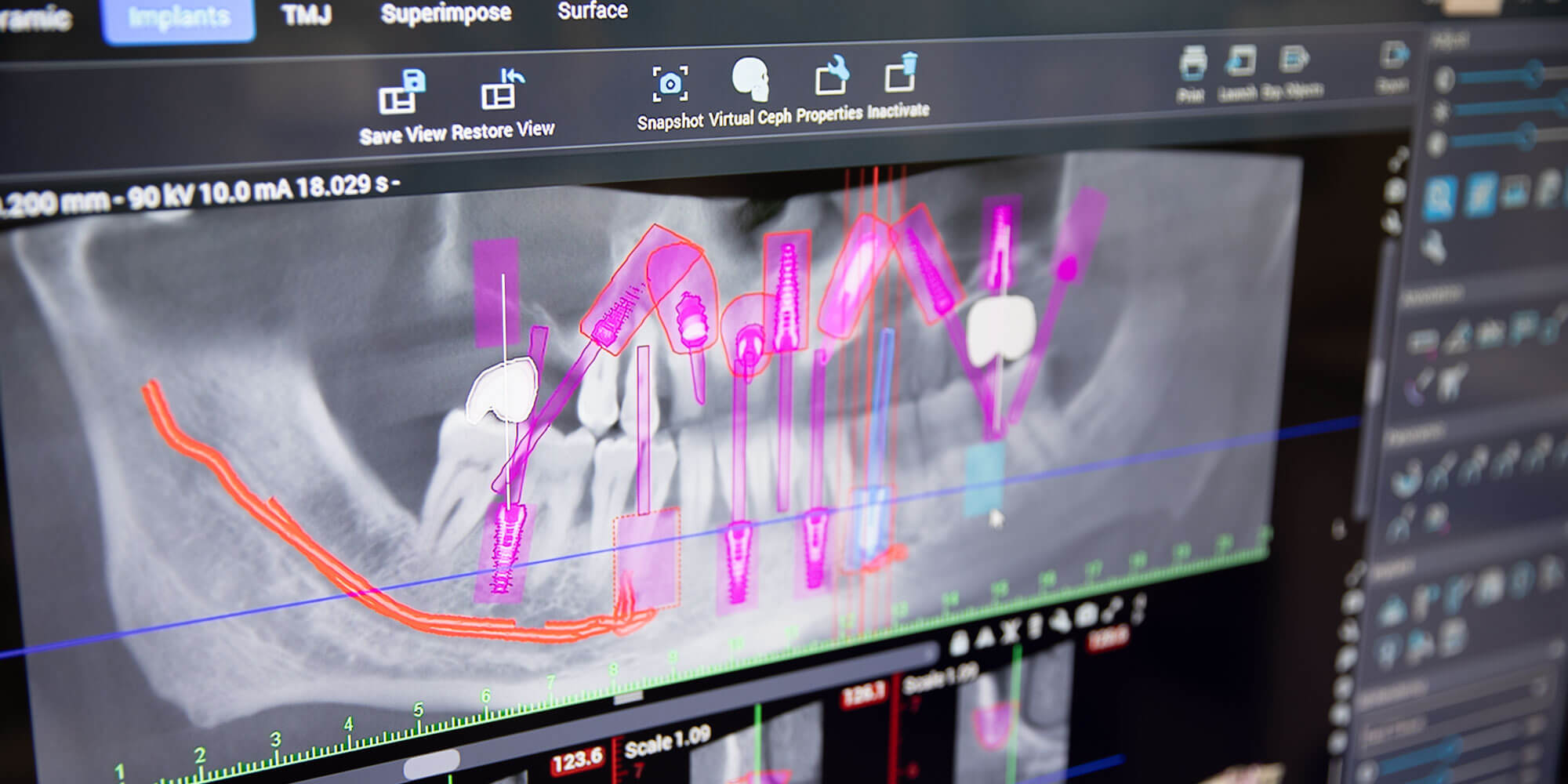
Hear What This Prosthetist Has to Say About Smile Restoration...
Let’s start with a clear explanation of dental implants vs. dentures
What are dental implants?
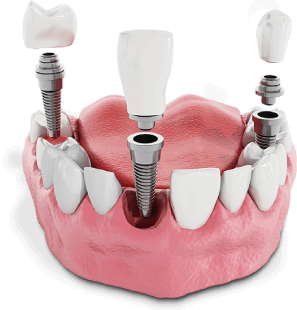
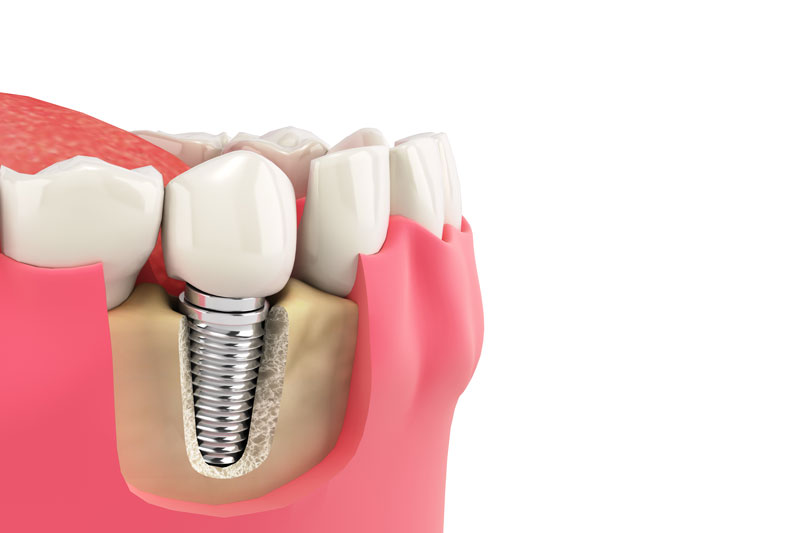
Dental implants involve placing a titanium post into the jawbone, which acts as an artificial tooth root. Once healed, a crown is attached to the implant, which is built to blend in with your smile and improve stability in your jaw.
| Potential benefits | Important considerations |
|
|
What are dentures?
Dentures are removable dental appliances that replace some or all missing teeth. Full dentures are used for complete tooth loss, while partial dentures fill gaps when some natural teeth remain.
| Potential benefits | Important considerations |
|
|
There isn’t a single “best” solution for everyone. What matters most is finding an option that aligns with your health, lifestyle and long-term goals.
A consultation allows your dentist to assess your oral health and guide you through your choices in a way that feels clear and supportive.
With all of the information at your disposal, you’ll be able to decide what makes sense for you.
A snapshot: Comparing dental implants vs. dentures
| Factor | Dental Implants | Dentures |
| Procedure | Surgical placement in jawbone | Non-surgical |
| Stability | Fixed | Removable |
| Treatment Time | Several months including healing | Usually several weeks |
| Bone Support | May assist in maintaining bone | Does not prevent bone changes |
| Maintenance | Brush and floss similar to natural teeth | Remove daily for cleaning |
| Longevity | May last many years with appropriate care | Often require replacement or relining over time |
| Upfront Cost | Higher initial investment | Lower initial cost |
So, what might suit you?
Choosing between implants and dentures doesn’t just boil down to financial considerations. Your overall health matters too, and your dentist will consider:
- Your general and oral health
- Bone density and gum condition
- Smoking status
- Medical conditions that may affect healing
- Your preferences around surgery
- Budget and long-term expectations
Every person’s situation is different. What works well for one patient may not be appropriate for another.
A personalised approach to healthcare
If you’re considering dental implants vs. dentures, speaking with a registered dental practitioner is the best first step.
A personalised consultation allows time to:
- Assess your clinical suitability and what to expect during the process
- Discuss risks and benefits
- Explore alternative options
- Understand likely timeframes and costs
- Answer your questions openly and honestly
With the right information and guidance, you can make a decision that feels informed, balanced and right for you.
Book a consultation today to start your journey.

FAQ
What’s more cost-effective – dentures vs. implants? +
While dental implants usually have a higher upfront cost than traditional dentures, some find them to be more cost-effective over the long term. Implants are designed to last many years, often decades, with proper care, whereas dentures may need replacement, relining or adjustment over time.
Implants also reduce additional dental issues like bone loss, which can help prevent future treatment costs.
Do implants prevent bone loss compared to traditional dentures? +
Yes. Dental implants mimic natural tooth roots and stimulate the jawbone during chewing, helping maintain bone density and structure. Traditional removable dentures do not provide this stimulation, which can lead to gradual bone resorption and changes in facial shape over time.
What’s the difference between removable dentures and implant-supported dentures? +
- Removable Dentures: Sit on top of the gums and are not anchored to the jawbone. They can move slightly when eating or speaking, and may require adhesives.
- Implant-Supported Dentures: Attach securely to dental implants placed in the jawbone, providing greater stability and comfort. They function more like natural teeth, improving chewing ability, speech, and overall confidence.
What’s the recovery timeline for implants vs. dentures? +
Dental Implants:
- Healing takes several months as the implant fuses with the jawbone (osseointegration).
- Most patients experience mild discomfort for a few days, gradually decreasing as tissues heal.
- Full recovery depends on the number of implants and any additional procedures.
Dentures:
- Recovery is usually quicker since no surgery is involved, though sore spots or minor adjustments may be needed in the first few weeks.
- However, dentures do not integrate with bone, so long-term stability and comfort can be limited compared to implants.
Get implant pricing and financing options,
Including your superfund!
Find Out If You're A Candidate!