

Choosing dental implants is a big decision, and cost often comes into play as an important consideration.
While implants are often more expensive upfront than dentures or bridges, they are designed as a long-term solution. Many patients compare the higher initial cost with the long-term stability, function and comfort that implants can provide.
But implants are not automatically the right choice for everyone. And its value? It depends on your oral health, bone density, goals, lifestyle and budget.
Below, we’ve outlined the benefits, limitations, risks and costs so you can make an informed, confident decision.
Pros & Cons of Dental Implants: Summarised
| Pros | Cons / Considerations |
| Designed for long-term use | Higher upfront cost |
| Helps support jawbone health | Surgery is required |
| Stable, fixed and comfortable | Healing times vary |
| Doesn’t involve reducing adjacent teeth | Not suitable for all medical situations |
| Straightforward to care for, like natural teeth | Additional procedures (e.g., bone grafts) may be needed |
How does the dental implant process work?
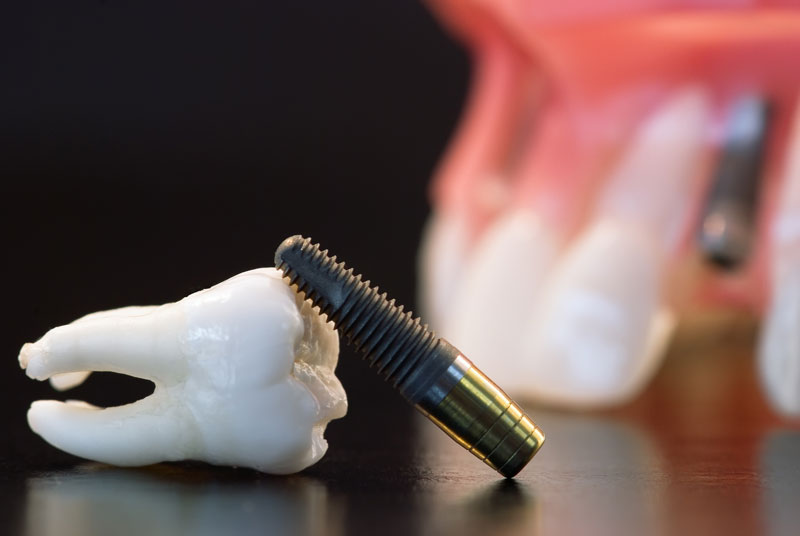
Dental implants are artificial tooth roots, typically made from titanium, which are surgically placed into your jawbone to support replacement teeth.
The process may sound complex, but understanding the treatment and what’s involved can help you decide whether dental implants might be for you.
Here are the general steps:
- Initial assessment – X-rays or 3D imaging are taken to assess bone density, gum health and suitability.
- Implant placement – A titanium post is placed in the jawbone.
- Healing phase – The bone integrates with the implant (osseointegration) over several months.
- Abutment + crown – A connector is added, followed by a custom-made crown that looks and functions like a natural tooth.
What dental implants could do for you
As part of implant planning, your dentist will aim to create a result that feels comfortable and looks harmonious with your natural teeth. This often includes colour-matching the replacement tooth or bridge.
However, your expected outcome always depends on your individual circumstances, which your dentist will discuss with you.
For those looking to replace missing teeth, dental implants provide a variety of features that may align well with their treatment goals:
Function
Implants are designed to resemble the appearance and function of natural teeth. Your dentist will discuss what is realistic for your individual situation.
Designed to Be a Long-Term Option
Dental implants are made from strong materials such as titanium. With regular care and maintenance, many people find them to be a durable option that lasts for years.
Jawbone Support
Because implants are placed within the jaw, they may assist in maintaining bone height in some individuals. Your suitability and expected outcomes will be assessed as part of your treatment planning.
Secure, Fixed Solution
Implants are fixed in place rather than removable. This can offer a stable feel during daily activities such as eating and speaking, although experiences differ.
Preservation of Adjacent Teeth
Implants do not usually require modification of neighbouring teeth for support, which may help maintain the natural tooth structure around the implant.
Routine Oral Hygiene
Implant-supported teeth are generally cared for using regular brushing, flossing and professional check-ups. Your dental team will provide individualised instructions.
Eating Comfort
Some people report feeling more comfortable chewing with implant-supported teeth compared with removable options.
Speaking and Confidence
Implants are fixed in place, which may help some people feel more comfortable when speaking or smiling. Individual outcomes can differ.
What are the risks associated with dental implants?
Although many patients undergo successful implant treatment, it’s important to understand that complications are possible with any surgical procedure.
These may include:
- Temporary pain, swelling or bruising
- Infection around the implant
- Implant movement if integration does not occur as expected
- Additional procedures (bone grafting, sinus lift) if required
A careful assessment helps identify factors that may increase risk, and your dentist will always tailor your recovery plan to your situation.
Why do dental implants cost more than other options?
Implants cost more because they involve:
- Surgical placement
- High-quality materials
- Multiple appointments and imaging
- Custom-made restorations
- Additional procedures where needed (bone grafting, sinus lift, periodontal care)
Surprisingly, they may cost less over time compared with dentures or bridges, which often need adjusting or replacing.
How much do dental implants cost?
While cost is a major consideration for dental implant procedures, how much you can expect to pay for dental implants can vary widely and is influenced by lots of factors, including:
- Number of implants
- Jawbone density
- Need for bone grafting or sinus lift
- Gum health
- Type of restoration (single tooth or full-arch implants)
- Location and type of practice
A personalised treatment plan is the only way to know the true cost for your situation. As a general guideline dental implant cost in Australia is:
- Single implant: Approximately $4,000–$7,000
- Full-arch (multiple implants): Ranges widely depending on design and materials
Prices are provided as a general guide only and do not represent a quote. Final costs will depend on your personalised treatment plan following a clinical assessment by a dentist.
But dental implants are a significant investment
We understand that cost can be an important consideration when planning dental treatment. To support accessibility, we offer flexible payment plan options tailored to suit a range of budgets.
To help make treatment more accessible, many patients explore:
- Payment plans (e.g., TLC, Humm)
- Superannuation through third-party facilitators (eligibility varies)
Payment plan options are offered through third-party providers and are subject to their eligibility criteria, terms and conditions. Additional fees may apply. Please speak to our team or your provider for full details.
The bottom line: Are dental implants worth it?
For many people, they are, but it depends on your situation.
Implants often offer excellent long-term value for those who prioritise stability, function and long-lasting results. However, alternative options like dentures or bridges may be more suitable when budget, medical history or lifestyle factors take priority.
The most important step is understanding what’s right for you.
Next steps? Book a supportive, no-pressure consultation
If you’re considering dental implants but aren’t sure whether they’re the best fit, we welcome you to attend a no-pressure, no-obligation consultation.
This visit is designed to help you:
- Understand whether implants may be suitable for your individual needs
- Learn about potential risks, considerations and treatment stages
- Explore alternatives where appropriate
- Receive a personalised outline of costs
- Ask questions in a calm, supportive environment
You’ll receive caring, thoughtful guidance so you can make a decision that feels right for you and your smile.
FAQs:
Can I finance dental implants?
We offer various payment options to help make treatment more manageable. These may include instalment plans, third-party financing providers or accessing superannuation under specific circumstances.
Your dental team can outline the options available and help you understand what may be suitable for your situation.
How long do dental implants last?
Dental implants are designed to be a long-term tooth replacement option. However, longevity varies between individuals and depends on factors such as oral hygiene, general health, bone quality and regular dental maintenance. Your clinician can give you personalised guidance based on your oral health and treatment plan.
How long is the recovery period for dental implants compared with alternatives?
Recovery time differs for each person and depends on the number of implants placed, bone quality, overall health and whether additional procedures are needed.
Some people resume normal activities within a few days after implant placement, while full healing and integration can take several months.
Alternative options, such as dentures or bridges, generally involve shorter healing periods, but they also come with different considerations, maintenance needs and long-term expectations. Your dentist can discuss the timeline that applies to your individual case.
Am I eligible for dental implants?
Eligibility varies and is assessed on an individual basis. Factors such as gum health, jawbone volume, general health, lifestyle habits and treatment goals all play a role.
A consultation, including imaging and a clinical assessment, is the best way to determine whether implants may be appropriate for you and to explore suitable alternatives if needed.