

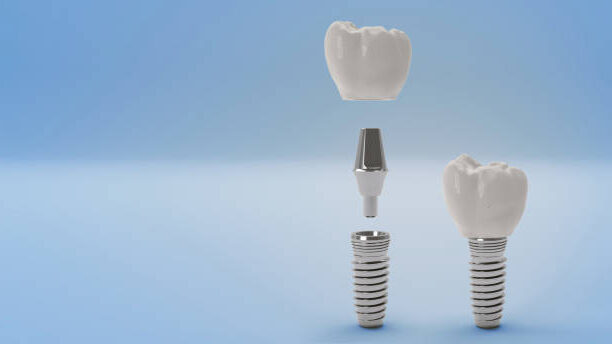
The Role of Abutments in Dental Implants
A dental implant abutment is a small connector that joins the dental implant, surgically placed in your jawbone, to the visible part of your restoration. This could be a crown, bridge or denture, depending on your treatment needs.
The abutment sits just above the gum tissue and provides a stable base for your replacement tooth. Without it, your restoration wouldn’t have anywhere to attach. Whether you’re replacing one tooth or restoring a full arch, the abutment is what brings everything together functionally.
Scroll on to learn more about the role of abutments in dental implants.
In Summary:
- An abutment is the connector between your dental implant and replacement tooth. It sits above the gum line, providing a stable base for crowns, bridges or dentures.
- Made from materials like titanium or zirconia, abutments can be prefabricated or custom-designed. They’re placed after the implant integrates with your jawbone, typically during a minor procedure.
- Proper care helps abutments last many years, though it varies by individual factors.
Why Dental Implants Need Abutments
Abutments create the essential link between your dental implant and your new teeth. Once the implant fuses with your jawbone through osseointegration, the abutment acts like the neck of a natural tooth root, giving your prosthetic tooth a stable foundation.
Here’s why they matter:
Secure Support
The abutment connects the implant to the dental crown, bridge, or denture, holding your restoration firmly in place.
Natural Function
Just like a tooth root, it supports biting and chewing without movement.
Custom Fit
Abutments are shaped to fit snugly against your gum tissue, which helps the prosthesis fit within your unique smile.
Restores Gaps
Whether you’ve lost one tooth or several, abutments help restore the function and appearance of missing teeth.
Works with Different Solutions
From a single crown to a full dental implant, the abutment adapts to your specific restoration needs.
Without the abutment, the implant would remain below the gum line, unable to support a replacement tooth. It’s the component that makes your restoration possible.
What materials are used for abutments?
- Titanium Abutments: Known for high biocompatibility and strength. Titanium integrates well with gum tissue and is commonly used for back teeth where strength matters most. It’s durable and has a long track record.
- Zirconia Abutments: A tooth-colored ceramic material that looks more natural, especially in the front of your mouth. Zirconia is strong, metal-free and doesn’t show grey shadows through the gum tissue.
- Prefabricated (Stock) Abutments: Pre-made, standard-sized components often used as temporary solutions. While they offer faster placement, they may not achieve an ideal fit when gum and bone shapes vary.
- Custom Abutments: Individually designed to fit your mouth. At FoX Implant Centre, we create custom abutments in our in-house dental laboratory, allowing us to control detail for fit and comfort.
How does the crown attach to the abutment?
The crown attaches to the abutment using one of two main methods:
Screw-Retained Crowns:
The crown is secured to the abutment with a small screw that passes through the crown. The access hole is then filled with tooth-coloured material. This method allows for easier removal if adjustments are needed later.
Cement-Retained Crowns:
The crown is cemented onto the abutment, similar to how a traditional crown is attached to a natural tooth. Since there’s no access hole visible, it’s popular for front teeth.
Your dental team will recommend the attachment method based on the location of your implant, your bite pattern and how you want your teeth to look. Both methods can provide secure, long-lasting results when properly placed.
What happens during the abutment placement process?
Understanding the stages of the dental implant procedure helps you know what to expect:
Stage 1: Implant Placement
The implant is placed through a small incision in the gum and left to heal and fuse with the jawbone, a process called osseointegration. This typically takes 3-6 months.
Stage 2: Healing Abutment
Once the implant has begun integrating, a healing abutment is placed on top. This small component helps shape the gum tissue during healing and prevents soft tissue from growing over the implant. This guides the gum tissue into the right contour for your final restoration.
Stage 3: Final Abutment
After osseointegration is complete and gum tissue has stabilised, the healing abutment is removed and replaced with the permanent abutment. This component is carefully adjusted to fit your gum line and secured with a small screw.
Stage 4: Final Restoration
Once the final abutment is in place, impressions are taken to design your prosthetic tooth. The restoration is then attached to the abutment, completing your treatment.
What should you expect after abutment placement?
Once the final abutment is in place, your gums may feel slightly tender or swollen for a few days. This is a normal part of the healing process as your gum tissue adjusts to the new shape and position of the abutment.
Common experiences include:
- Mild discomfort or sensitivity around the site
- Slight swelling of gum tissue
- Minor bleeding in the first 24 hours
Most patients return to their usual routine within a day or two. During this stage, your dental team will take impressions to design your final prosthetic tooth.
To support healing:
- Follow all post-operative instructions carefully
- Take any prescribed medications as directed
- Eat soft foods for the first few days
- Maintain gentle oral hygiene around the site
- Attend all follow-up appointments
Once your prosthetic tooth is ready, it will be attached to the abutment, completing your restoration.
How can you tell if an abutment is loose or failing?
While dental implant procedures are generally considered safe, some side effects and complications can occasionally occur.
Recognising the signs early helps to prevent complications:
Signs of a loose abutment:
- Movement or wiggling of your crown or restoration
- Clicking or unusual sounds when biting
- Pain or discomfort around the implant site
- Visible gap between the crown and the gum line
- Changes in how your bite feels
Signs of potential failure:
- Persistent swelling or inflammation around the implant
- Continuous pain that doesn’t improve
- Bleeding or discharge from the gum tissue
- Bad taste or odour coming from the area
What to do:
If you notice any of these signs, contact your dental team promptly. Most issues can be resolved if caught early. Your dentist will assess the abutment, tighten or replace it if needed and address any underlying causes.
Regular check-ups every six months help catch potential problems before they become serious.
How long do dental implant abutments last?
Caring for your dental implants and abutments over the long term is just as important as the procedure itself. With the right habits, your implants can last and continue supporting your overall oral health:
Here are some key dental care tips:
- Brush twice a day using a soft-bristled toothbrush to gently clean around the implant and gum line.
- Floss daily or use interdental brushes to clean between your teeth and around the abutment.
- Use an antibacterial mouthwash to reduce plaque and maintain a healthy balance of oral bacteria.
- Schedule regular check-ups every six months so your dental team can assess the health of your implant and surrounding gum tissue.
- Avoid smoking, as it can slow the healing process and increase the risk of implant failure.
- Treat your implant like a natural tooth; it still needs daily care to prevent gum disease and other issues.
With proper care, abutments made from high-quality materials are designed to last many years. The prosthetic tooth may not last as long, but regular assessment helps make sure everything continues to function as expected.
How do abutments affect the total cost of dental implants?
Several factors influence the overall cost of your dental implants:
- Material selection: Titanium and zirconia abutments may differ in price, with custom materials sometimes costing more than prefabricated options.
- Customisation level: Custom abutments designed specifically for your anatomy typically cost more than stock abutments but may offer better fit and aesthetics.
- Number needed: The more abutments required for your treatment, the higher the total investment.
- Laboratory work: In-house custom fabrication may affect pricing but often provides better quality control.
Making treatment accessible:
At FoX Implant Centre, we include the design and production of custom final abutments as part of our all-inclusive approach. Everything is done in our in-house dental laboratory to make sure your final fit blends with your smile.
We also offer flexible payment options, including interest-free plans through Humm and Total Lifestyle Credit (TLC). Eligible patients may also be able to access funding through their Super Fund.
Our team is here to help you find the best option for your budget without compromising your care.
Ready when you are – Complete care under one roof
Abutments might be small, but they play an essential role in the strength, fit and function of your dental implants. From the healing process to the final result, they help create the foundation for your treatment.
At FoX Implant Centre, we make the process straightforward and reliable by offering complete end-to-end care under one roof, from consultation through surgery, implant placement and crafting your final prosthesis.
No referrals. No delays. Just seamless care from a team that puts you at the centre.
Book a consultation with our experienced team at our Melbourne, Brisbane or Adelaide location to learn how dental implants and customised abutments work together in your treatment plan.
Please note: All surgical procedures carry risks. Treatment outcomes and recovery times vary between patients. This information does not replace personalised clinical advice. Treatment suitability determined through professional assessment only.
FAQs:
Can an abutment be replaced if it fails?
Yes, in most cases, a loose or damaged abutment can be replaced without affecting the implant itself. Your dentist will assess the situation and determine the appropriate solution, which may involve tightening, replacing, or redesigning the abutment.
Does abutment placement hurt?
Abutment placement is typically a minor procedure performed under local anesthesia. Most patients experience minimal discomfort during the procedure. Afterwards, mild tenderness is common but usually resolves within a few days.
How soon after implant surgery is the abutment placed?
The healing abutment is often placed shortly after implant surgery, or once initial healing has occurred. The final abutment is placed after osseointegration is complete, typically 3-6 months later, though timing varies based on individual healing.
Can I eat normally with an abutment?
Once your final restoration is attached to the abutment and fully healed, you can typically eat most foods normally. However, extremely hard or sticky foods may need to be avoided to protect your restoration.
Why choose custom abutments over prefabricated ones?
Custom abutments are designed specifically for your anatomy, potentially offering better fit, improved gum contour, and more comfortable long-term results. Prefabricated abutments may work well in some cases, but they don’t account for your individual needs.